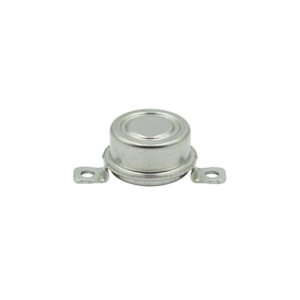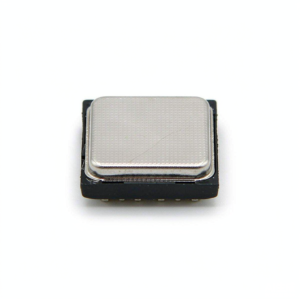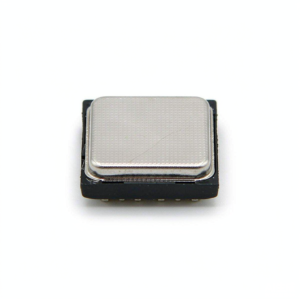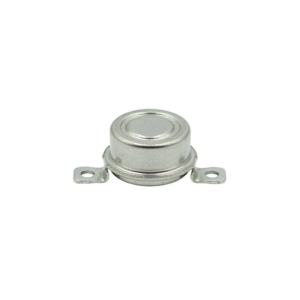
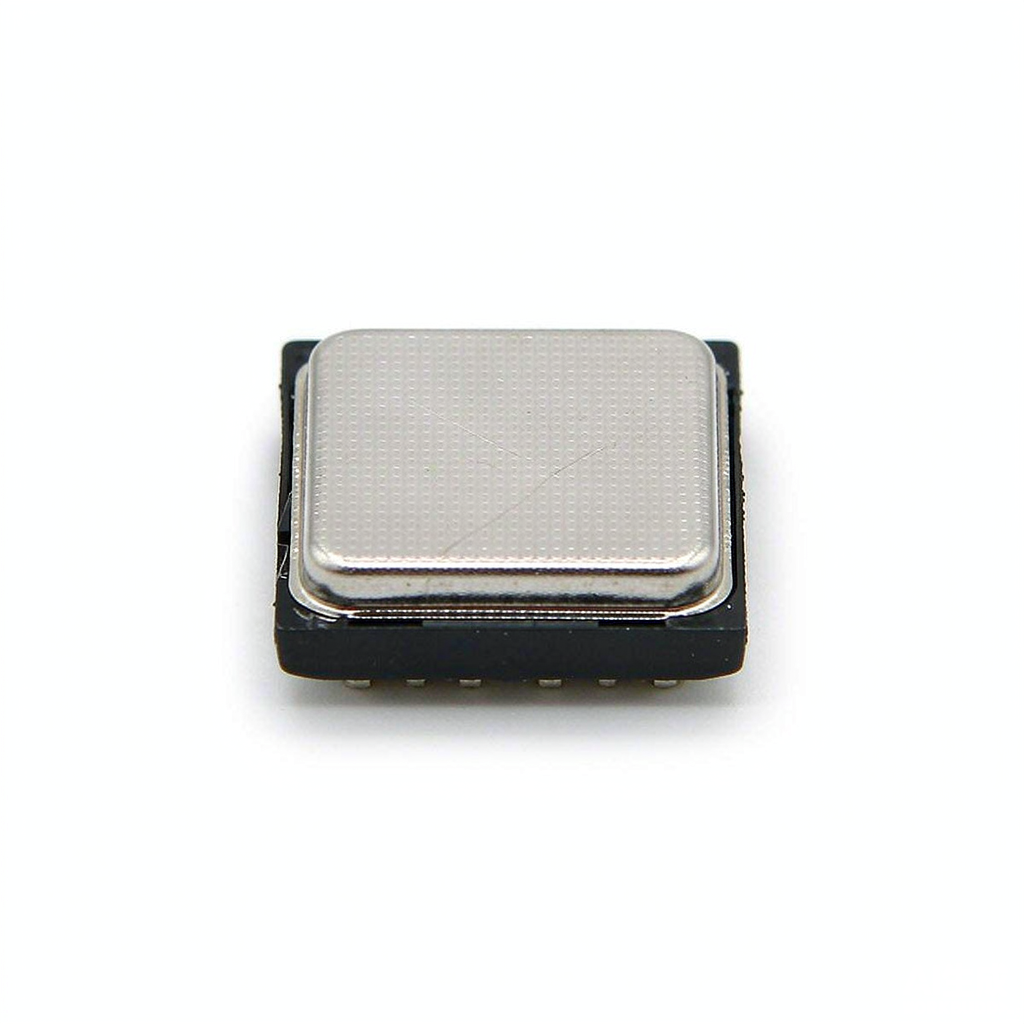
A 100 MHz standard crystal oscillator (XO / SPXO) providing a stable reference clock for industrial equipment and digital systems. SMD package with CMOS / LVCMOS output.
Product Overview
A packaged crystal oscillator (XO, also called SPXO) integrates the quartz crystal and oscillation circuit into a single SMD device, delivering a ready-to-use clock without external components. The 100 MHz frequency is a common reference for FPGAs, processors, Ethernet switches, and test equipment.
Newfly supplies verified 100 MHz XOs from ISO9001 manufacturers, with flexible MOQ and full documentation to streamline your procurement.
Key Features
- – Output frequency: 100 MHz
- – Standard packaged crystal oscillator (XO / SPXO)
- – CMOS / LVCMOS output
- – 3.3 V / 2.5 V / 1.8 V supply options
- – Low jitter
- – SMD package (5032 / 7050)
- – RoHS-compliant construction
Technical Specifications
| Parameter | Specification |
|---|---|
| Output Frequency | 100 MHz |
| Frequency Stability | ±25 / ±50 ppm (select by grade; verify with manufacturer datasheet) |
| Supply Voltage | 3.3 V / 2.5 V / 1.8 V (select; verify ordering code) |
| Output Type | CMOS / LVCMOS (verify with manufacturer datasheet) |
| Phase Jitter | Verify with manufacturer datasheet |
| Operating Temperature | -40°C to +85°C (verify grade) |
| Package | SMD 5032 (5.0×3.2 mm) / 7050 (7.0×5.0 mm) |
| Compliance | RoHS |
Applications
– Industrial equipment
– FPGA and CPLD clocking
– Processors and SoCs
– Ethernet switches and routers
– Test and measurement instruments
Why Choose Newfly Electronics
– Verified sourcing from ISO9001-certified manufacturers
– MOQ flexibility with small-quantity and prototype sourcing support
– Alternative-part and cross-reference service for standard XO frequencies
– Full-board BOM sourcing to consolidate your component purchasing
– RoHS / REACH documentation support for compliance filing
FAQ
Q: What is the difference between an XO and a bare crystal?
A: An XO is a self-contained oscillator (crystal plus circuit) that outputs a clock signal; a bare crystal must be driven by your IC’s internal oscillator circuit.
Q: Which supply voltage do I need?
A: 3.3 V, 2.5 V, and 1.8 V versions exist — confirm the voltage required by your device.
Q: Can you supply different packages?
A: Yes. The 5032 and 7050 SMD footprints are standard; specify your preferred package at order.