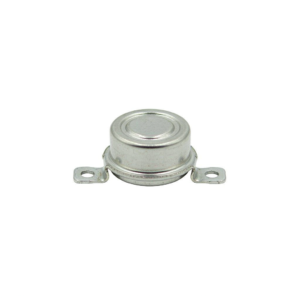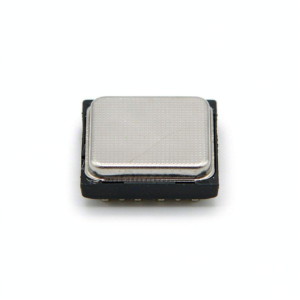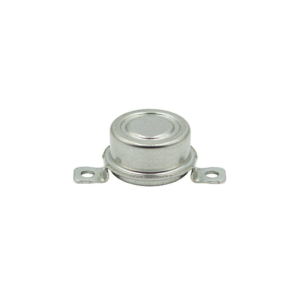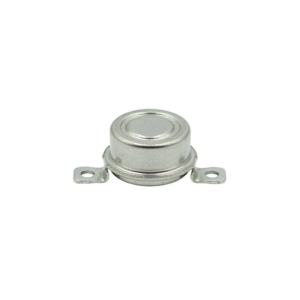
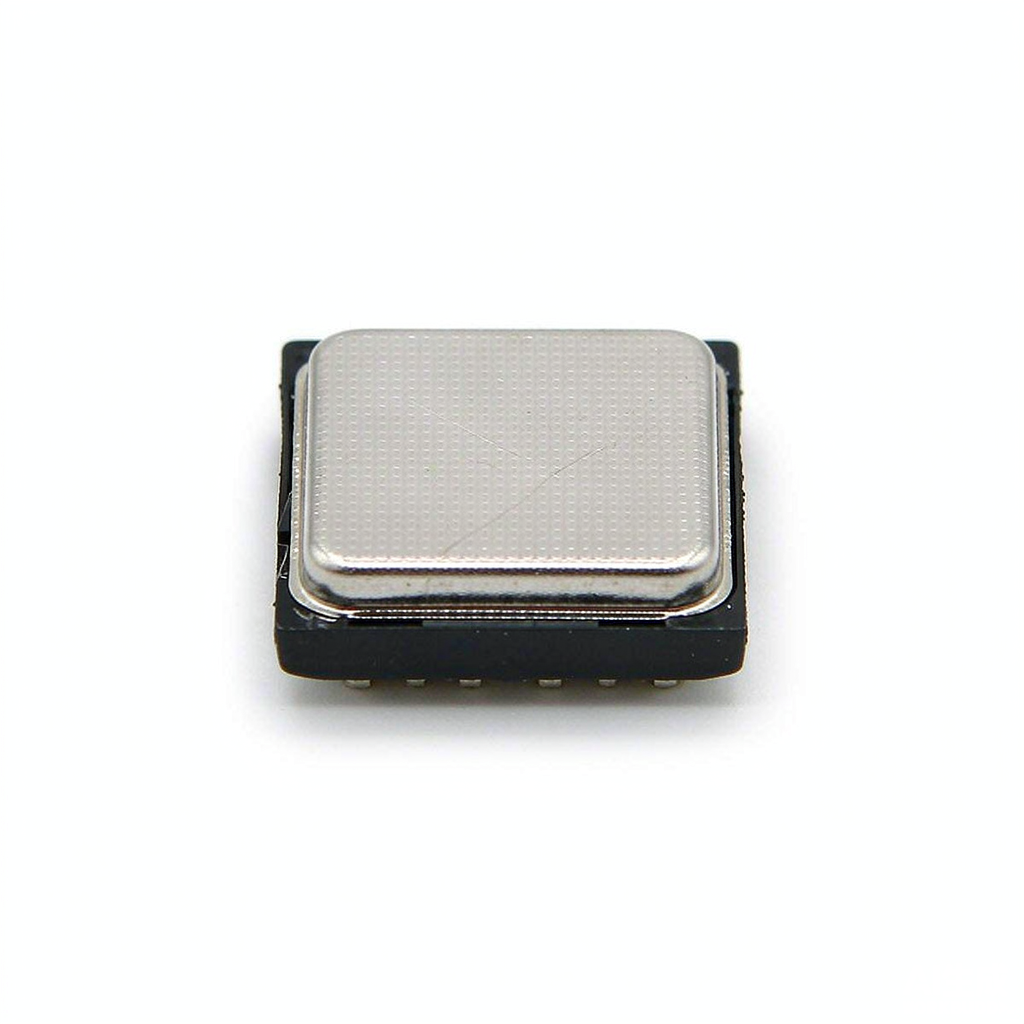
A 26 MHz temperature-compensated crystal oscillator (TCXO) for RF modules and wireless systems requiring tight frequency stability. SMD package with CMOS or clipped-sine output.
Product Overview
The 26 MHz reference frequency is widely used in cellular, Wi-Fi, and Bluetooth RF transceivers, where a stable clock directly affects RF performance and regulatory compliance. A TCXO holds the reference steady across temperature, reducing drift and improving link reliability.
Newfly supplies verified 26 MHz TCXOs with flexible MOQ and complete documentation, helping RF module makers qualify second sources quickly.
Key Features
- – Output frequency: 26 MHz
- – Temperature-compensated for ppm-level stability
- – Low phase noise for RF reference
- – CMOS or clipped-sine output
- – Compact SMD package (2520 / 3225)
- – RoHS-compliant construction
Technical Specifications
| Parameter | Specification |
|---|---|
| Output Frequency | 26 MHz |
| Frequency Stability | ±0.5 / ±1.0 / ±2.0 ppm (select by grade; verify with manufacturer datasheet) |
| Supply Voltage | 3.3 V / 2.8 V / 1.8 V (select; verify ordering code) |
| Output Type | CMOS / Clipped Sine (verify with manufacturer datasheet) |
| Phase Jitter | < 1 ps rms typical (verify with manufacturer datasheet) |
| Operating Temperature | -40°C to +85°C (verify grade) |
| Package | SMD 2520 / 3225 |
| Compliance | RoHS |
Applications
– RF modules
– Cellular and IoT modems
– Wi-Fi and Bluetooth transceivers
– GNSS reference clocks
– Wireless sensor networks
Why Choose Newfly Electronics
– Verified sourcing from ISO9001-certified manufacturers
– MOQ flexibility with small-quantity and prototype sourcing support
– Alternative-part and cross-reference service for standard TCXO frequencies
– Full-board BOM sourcing to consolidate your component purchasing
– RoHS / REACH documentation support for compliance filing
FAQ
Q: Why use a TCXO instead of a plain crystal for RF?
A: RF transceivers need a low-drift reference for channel accuracy; a TCXO holds the frequency within ppm across temperature, unlike a bare crystal.
Q: Which supply voltage is supported?
A: 1.8 V, 2.8 V, and 3.3 V variants are common for RF applications — specify your platform voltage at order.
Q: Do you provide cross-reference for other 26 MHz TCXOs?
A: Yes. Share your BOM and we will suggest pin- and performance-compatible alternatives.