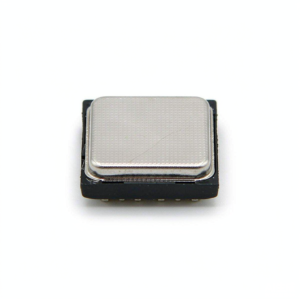
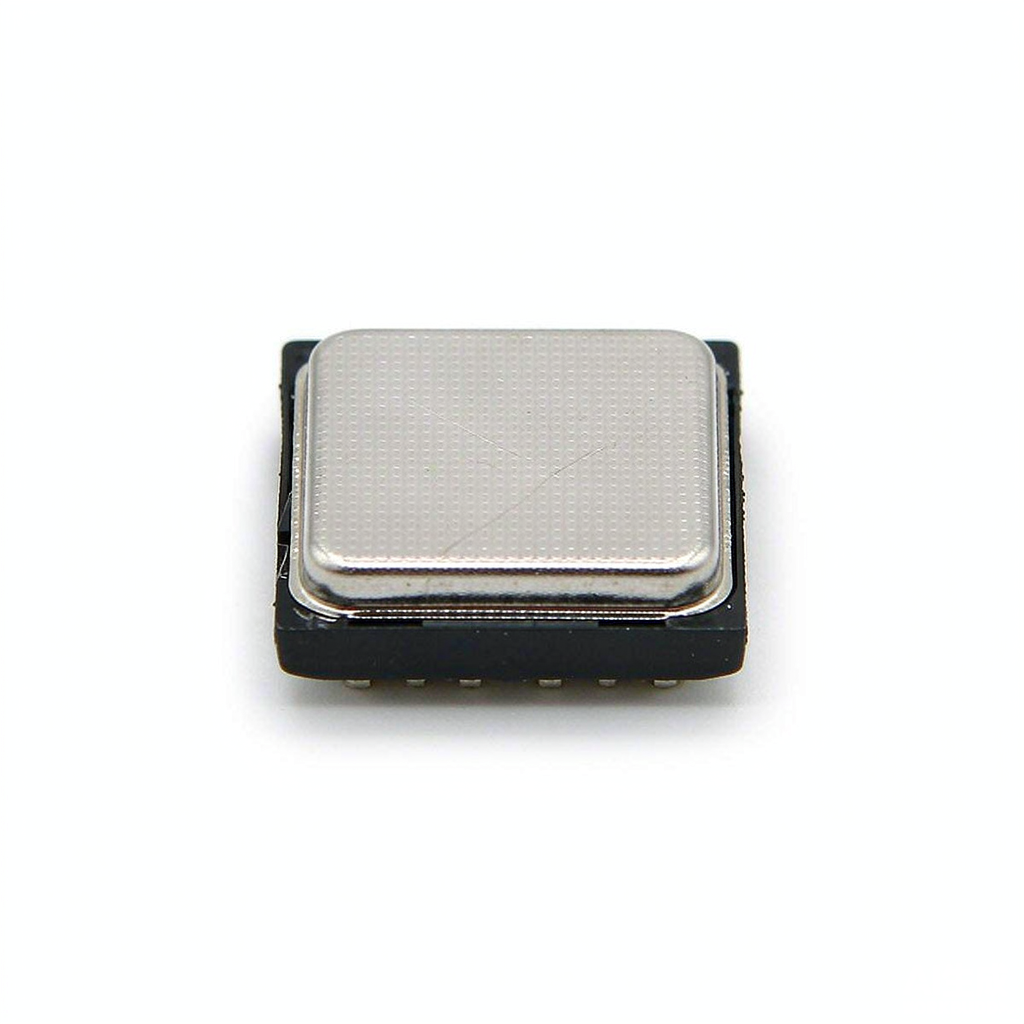
A 10 MHz temperature-compensated crystal oscillator (TCXO) delivering high frequency stability for communication equipment. Available in standard SMD packages with CMOS or clipped-sine output.
Product Overview
A TCXO adds a temperature-compensation network to a standard crystal oscillator, achieving ppm-level stability that a basic XO cannot. The 10 MHz frequency is a common reference in communication equipment, base-station timing, and synchronization modules where drift over temperature must be minimized.
Newfly supplies verified TCXOs from ISO9001 manufacturers, with flexible MOQ and full documentation support for your procurement and compliance needs.
Key Features
- – Output frequency: 10 MHz
- – Temperature-compensated for high stability
- – Low phase noise and jitter
- – CMOS or clipped-sine output options
- – Standard SMD packages (2520 / 3225 / 5032)
- – RoHS-compliant construction
Technical Specifications
| Parameter | Specification |
|---|---|
| Output Frequency | 10 MHz |
| Frequency Stability | ±0.5 / ±1.0 / ±2.0 ppm (select by grade; verify with manufacturer datasheet) |
| Supply Voltage | 3.3 V or 5.0 V (select; verify ordering code) |
| Output Type | CMOS / Clipped Sine (verify with manufacturer datasheet) |
| Phase Jitter | < 1 ps rms typical (verify with manufacturer datasheet) |
| Operating Temperature | -40°C to +85°C (wide-temp option available; verify grade) |
| Package | SMD 2520 / 3225 / 5032 |
| Compliance | RoHS |
Applications
– Communication equipment
– Base-station and network timing
– Test and measurement instruments
– GPS and synchronization modules
– Industrial network clocks
Why Choose Newfly Electronics
– Verified sourcing from ISO9001-certified manufacturers
– MOQ flexibility with small-quantity and prototype sourcing support
– Alternative-part and cross-reference service for standard TCXO frequencies
– Full-board BOM sourcing to consolidate your component purchasing
– RoHS / REACH documentation support for compliance filing
FAQ
Q: What is the difference between a TCXO and a basic XO?
A: A TCXO compensates for temperature drift, delivering ppm-level stability versus tens of ppm for a standard XO — essential where timing accuracy matters.
Q: Which output type should I choose?
A: Use CMOS for logic-level clock distribution; use clipped sine for RF/PLL reference inputs. Specify your requirement when ordering.
Q: What supply voltage is available?
A: Both 3.3 V and 5.0 V versions exist across the TCXO family — confirm the required voltage and package with our team.